For one summer, the biggest sporting event on earth is being played in American backyards. The 2026 World Cup runs June 11 through July 19 across 16 host cities, 11 of them in the United States, the first men’s tournament on US soil since 1994. That last one matters more than nostalgia, because the 1994 final at the Rose Bowl is the moment Nike decided to take football seriously and built the Mercurial that followed. Home-soil World Cups change things. This one is already changing demand.
Hosting forces casual fans into the product
The quiet truth about American soccer is that most of the country pays attention in four-year bursts. A World Cup at home shortens the distance between casual curiosity and a purchase, because the tournament is everywhere: the host city, the bar, the group chat, the kid down the street in a full kit. That proximity converts.
You can see the conversion in the shortages. Both Nike and adidas have run low on national-team kits across their own stores, unable to keep up with demand. Nike has had trouble keeping USMNT and Brazil jerseys in stock in adult sizes. adidas has sold through authentic Mexico kits and even shirts for smaller nations. When a brand can’t keep its own flagship product on the shelf during the event it spent years planning for, that’s not a supply hiccup. That’s demand outrunning every forecast the brand made.
Cleats become lifestyle, kits become streetwear

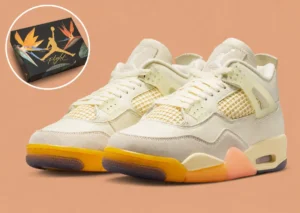
The more interesting shift is what happens to the footwear itself. A home World Cup pulls football product out of the soccer aisle and into the sneaker conversation. Resale platforms expect the tournament to accelerate soccer’s influence on US fashion, from retro cleats reimagined as lifestyle shoes to deeper collaborations between clubs, brands, and streetwear labels.
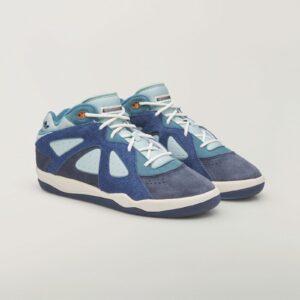
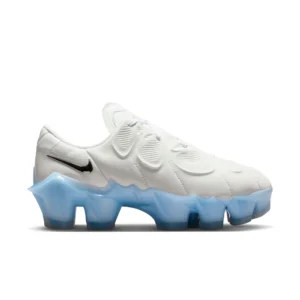
Brands are building for exactly that. Nike’s tournament push includes a multi-brand collection with partners like Palace, Patta, and the Virgil Abloh Archives, each contributing to its Cryoshot sneaker series, which is football product dressed for the street rather than the pitch. Puma countered with a designer capsule of goalkeeper kits and travel apparel from Salehe Bembury, a name that means more to sneakerheads than to soccer fans. The signal is clear: the brands aren’t selling cleats to players this summer. They’re selling football to people who buy sneakers.
The activation arms race

A home World Cup is also a marketing event, and the spend reflects it. Nike built a 12-week campaign around the tournament featuring past and present footballers. Puma leaned on designer credibility. adidas walks in dressing more national teams than anyone, which translates to more boots and jerseys visible on screen through July than its rivals get.
For the brands, the math is simple. Tournament visibility is the cheapest way to reach an American audience that normally tunes football out. Every match is an ad that runs for 90 minutes, and the boots on the best players are the product placement. The brand that converts that attention into habit, not just a one-time jersey purchase, is the one that wins beyond the summer.
What it means for the market and for buyers

The honest read is that a home World Cup is a demand accelerant with a long tail. The jersey shortages and the lifestyle collabs are the visible spike. The lasting effect is a generation of American buyers who spent a summer with football product in their hands and might keep reaching for it: a retro cleat as an everyday shoe, a club collab as a streetwear pickup, a national-team kit worn long after the final.
If you’re buying this summer, the practical advice is simple. The hyped tournament product, the limited boot colorways and the collab releases, will move like sneakers, which means availability now and resale premiums later. The kits are already proving that. If there’s a piece you want for the long haul, treat it like a drop, not like merch you can grab whenever.
The 1994 World Cup gave Nike a reason to build football into a real business. The 2026 edition, played in front of the largest, most sneaker-literate audience the sport has ever had on this continent, is the brands’ chance to do it again, faster. The demand is already here. The question is which brand turns a summer of attention into something that lasts.
Read next: The complete 2026 World Cup archive, every match, every goal, and the kit and boot each one was scored in.
Shop Your Favorite Brand's World Cup Gear
Boots, kits and more from the brands defining the tournament.