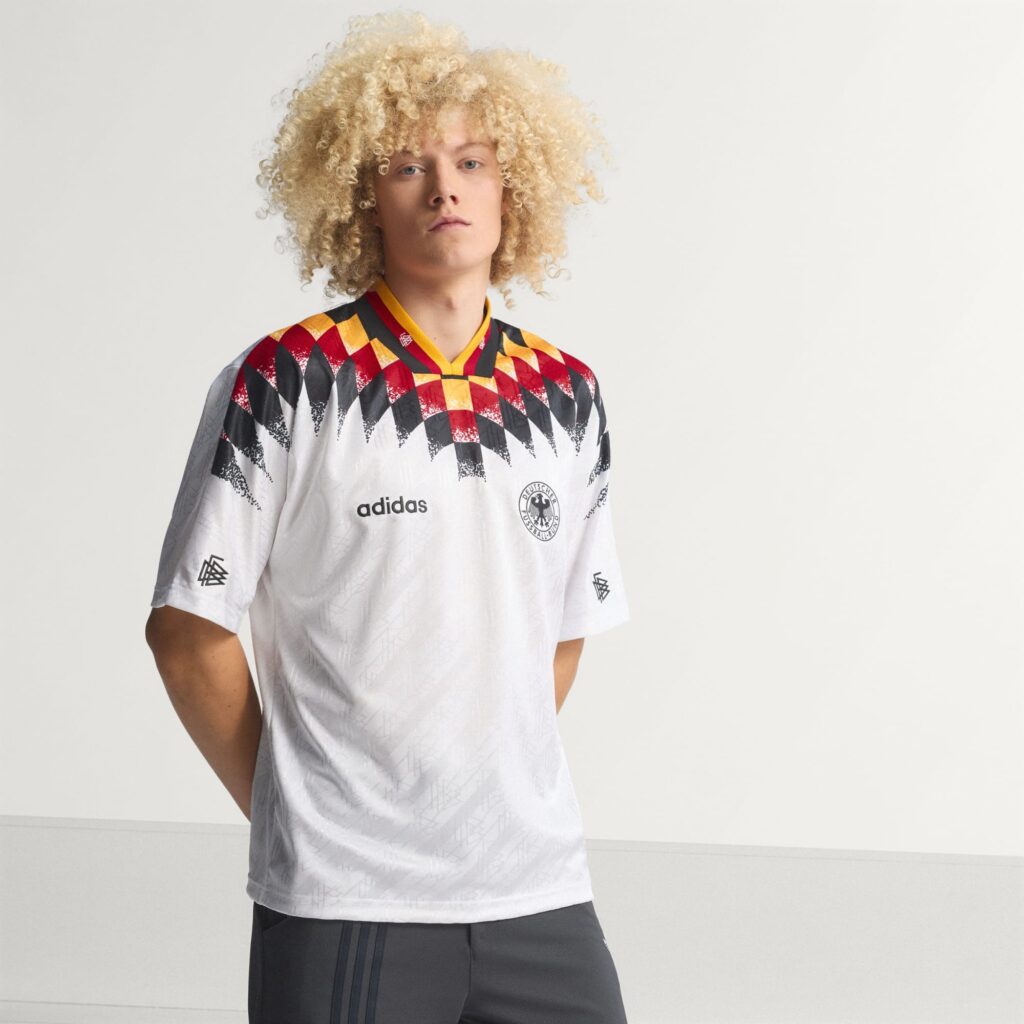
A national-team jersey used to be merch. You bought it at the stadium, wore it during the tournament, and forgot it in a drawer by August. That era is over. In 2026, the kit behaves like a sneaker: limited supply, loyalty-driven demand, and a resale market that wakes up the moment the official store sells out. The same forces that turned a Jordan retro into an asset are now running through national-team colorways, and this World Cup is the clearest proof yet.
Scarcity, on purpose or not

Start with the supply problem, because it’s the engine. Both Nike and adidas have struggled to keep 2026 World Cup kits in stock, selling through key federations across their own stores. Nike has been short on USMNT and Brazil shirts in adult sizes. adidas sold through authentic Mexico kits and even shirts for smaller nations. Whether that’s deliberate scarcity or a forecast that missed, the market effect is identical to a limited sneaker drop: more buyers than units, and a resale premium for whoever moved first.
Tournament years are when this demand detonates. World Cup jersey sales spike dramatically in a tournament year, and the driver isn’t fashion, it’s allegiance. National-team loyalty is the strongest pull in the category, which is why a handful of countries do outsized volume every cycle. Argentina and Mexico consistently lead, the way certain silhouettes always lead a sneaker release calendar. The kit is a flag you can wear, and people will pay, and wait, and resell, to fly the right one.
Distribution is the moat
Here’s the part most fans miss: in the kit economy, the brand that wins isn’t always the one with the best shirt. It’s the one with the most teams. adidas, Nike, and Puma collectively supply kits for more than 75 percent of the 48 nations in this World Cup, and adidas leads the field by outfitting 14 of them. More teams means more colorways in circulation, more federations whose fans you can sell to, and more shirts on screen for a month straight.
That’s the same logic as shelf space in sneakers. The brand with the widest distribution gets the most shots at a breakout. A surprise run by a mid-tier nation can sell out a kit no one forecasted, and the brand that happens to dress that team catches a windfall it didn’t plan for. Owning 14 teams is owning 14 lottery tickets in a tournament built on upsets.
The boots are playing the same game
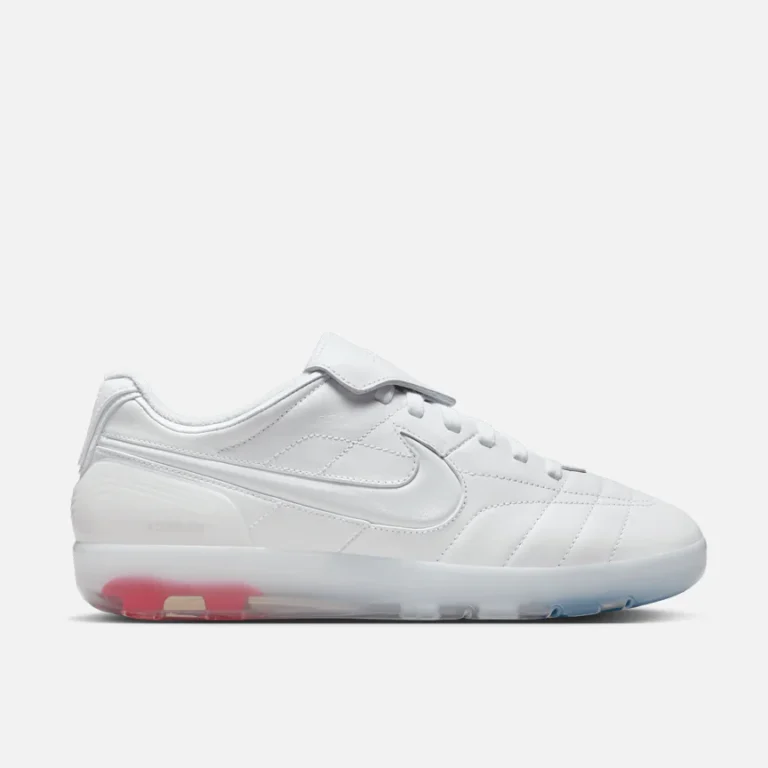
The colorway economy isn’t limited to jerseys. Boots are running the exact same playbook. Tournament-edition cleats arrive in limited, loud colorways timed to the World Cup, and the brands are dressing them for the sneaker buyer as much as the player. Nike’s Cryoshot series leaned into multi-brand collaborations for the tournament, the kind of partner list you’d expect on a hyped sneaker drop, not a football boot. When a cleat colorway gets a collab treatment and a release window, it stops being equipment and starts being a drop. It gets watched, queued for, and resold like one too.
The quality catch
There’s a risk built into a market this hot, and 2026 surfaced it. Puma has taken heavy criticism after multiple national-team shirts tore during matches, with incidents involving players from several countries. In a normal year that’s an equipment story. In a year where the jersey is a high-demand resale object, it’s a brand-reputation story, because the people buying these shirts at a premium expect grail-level product, not something that rips on the pitch on live television. Scarcity raises the price and the expectations at the same time. Brands that engineer demand without protecting quality are writing the bad headline themselves.
What it means
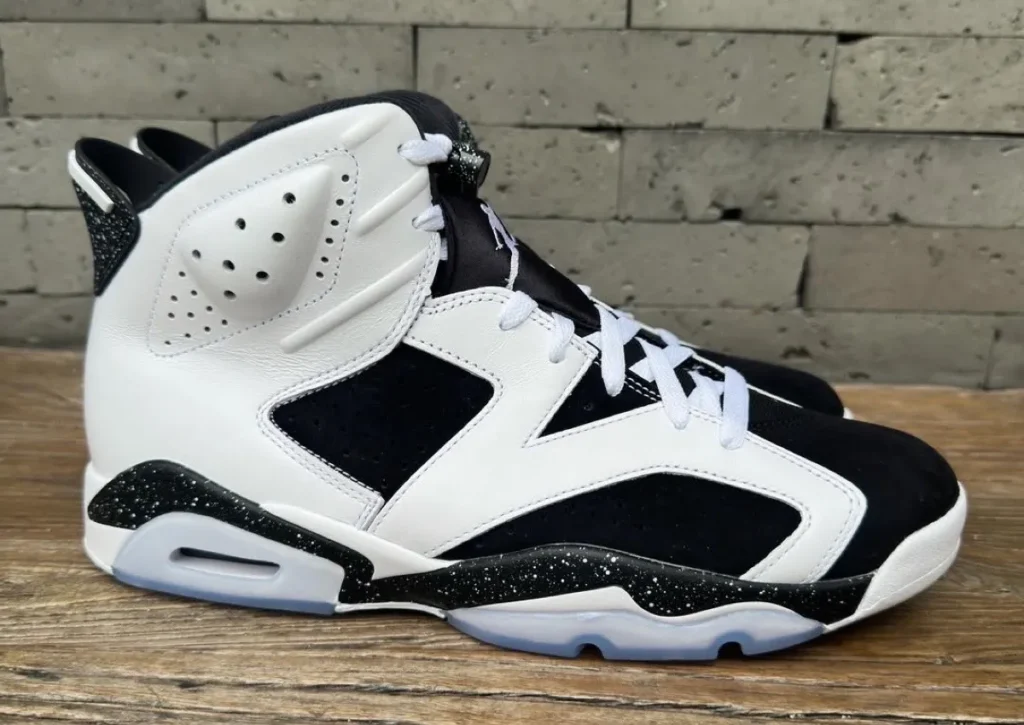
The national-team kit has quietly joined the same economy as the sneaker: scarcity sets the floor, loyalty sets the ceiling, distribution decides who cashes in, and quality decides who keeps the trust. For buyers, the takeaway is to treat tournament kits and boot colorways like the limited releases they’ve become. If you want a specific shirt or a specific cleat colorway, the official channel during a sold-out summer is the easy part to miss, and the resale market is the expensive way to catch up.
For the brands, the lesson is sharper. They’ve succeeded in making the kit a collectible. The next move is making sure the collectible is worth collecting, because a market that trades a jersey like a grail will turn on one that tears like a giveaway.
Read next: The complete 2026 World Cup archive, every match, every goal, and the kit and boot each one was scored in.
Shop Your Favorite Brand's World Cup Gear
Boots, kits and more from the brands defining the tournament.