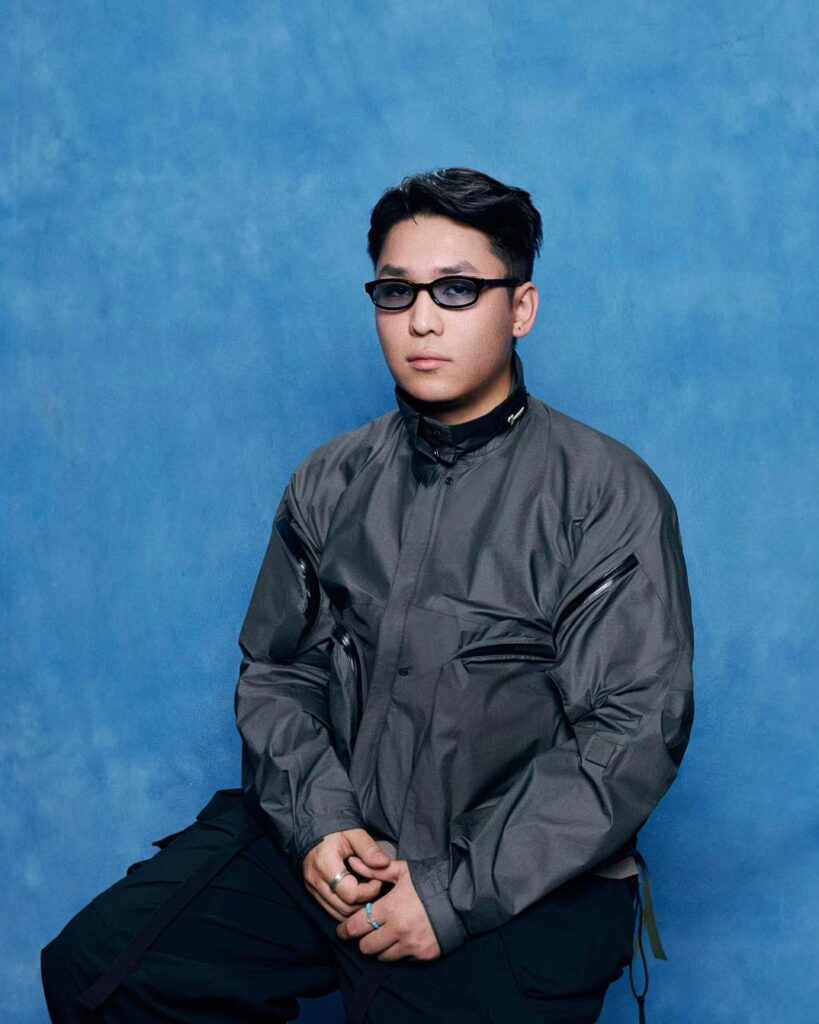
Nike Sportswear pulled the cover off the third of eight Air Works shoes on September 24, and this one comes from Marc Su in Beijing. It is an Air Max, it was built with Zellerfeld, and it is not going on sale. Nike has been clear about that from the start of the program. Each of these is a limited run for friends and family, which makes the reveal a statement about where Nike thinks printed footwear is rather than a release you can plan around.
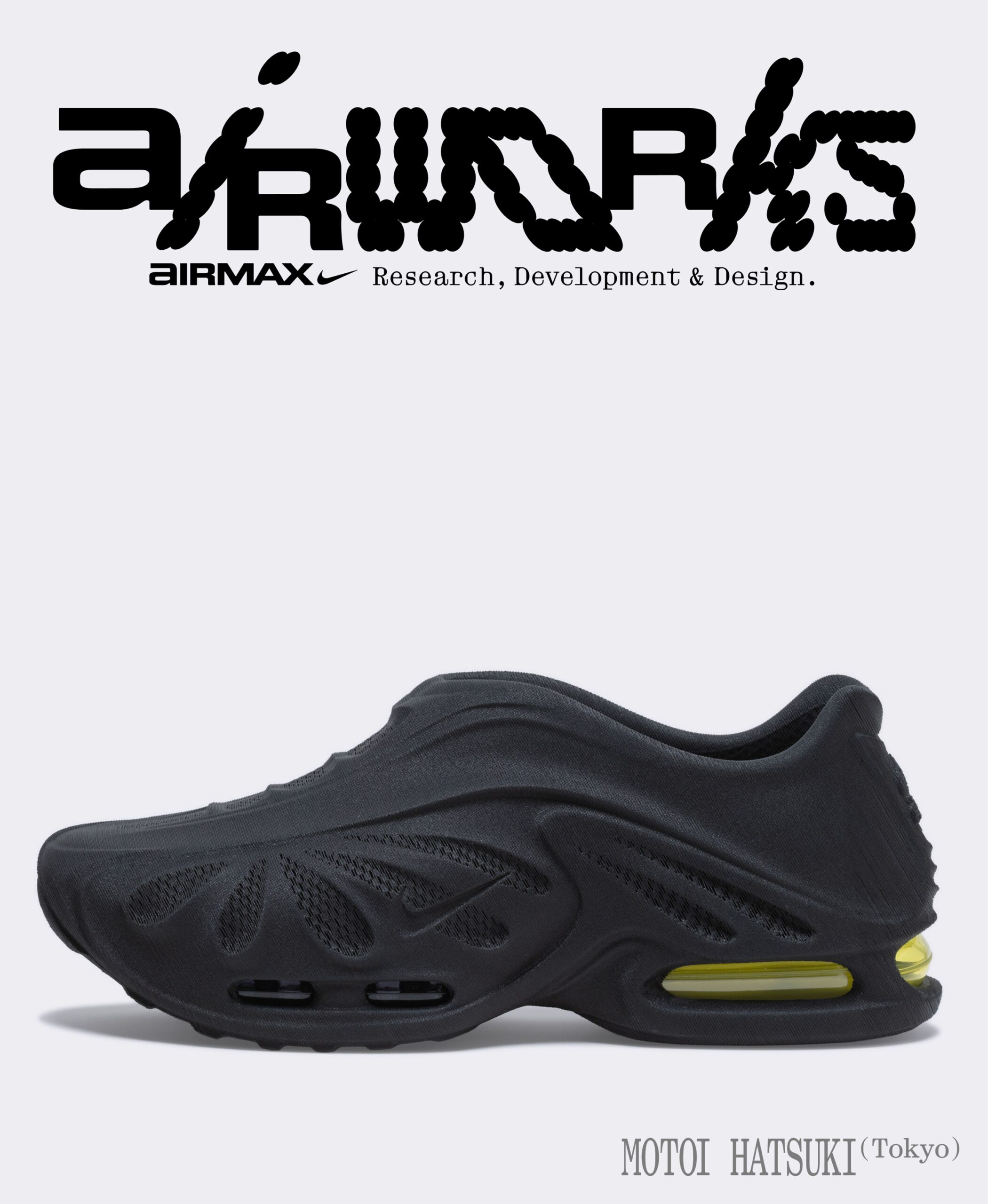
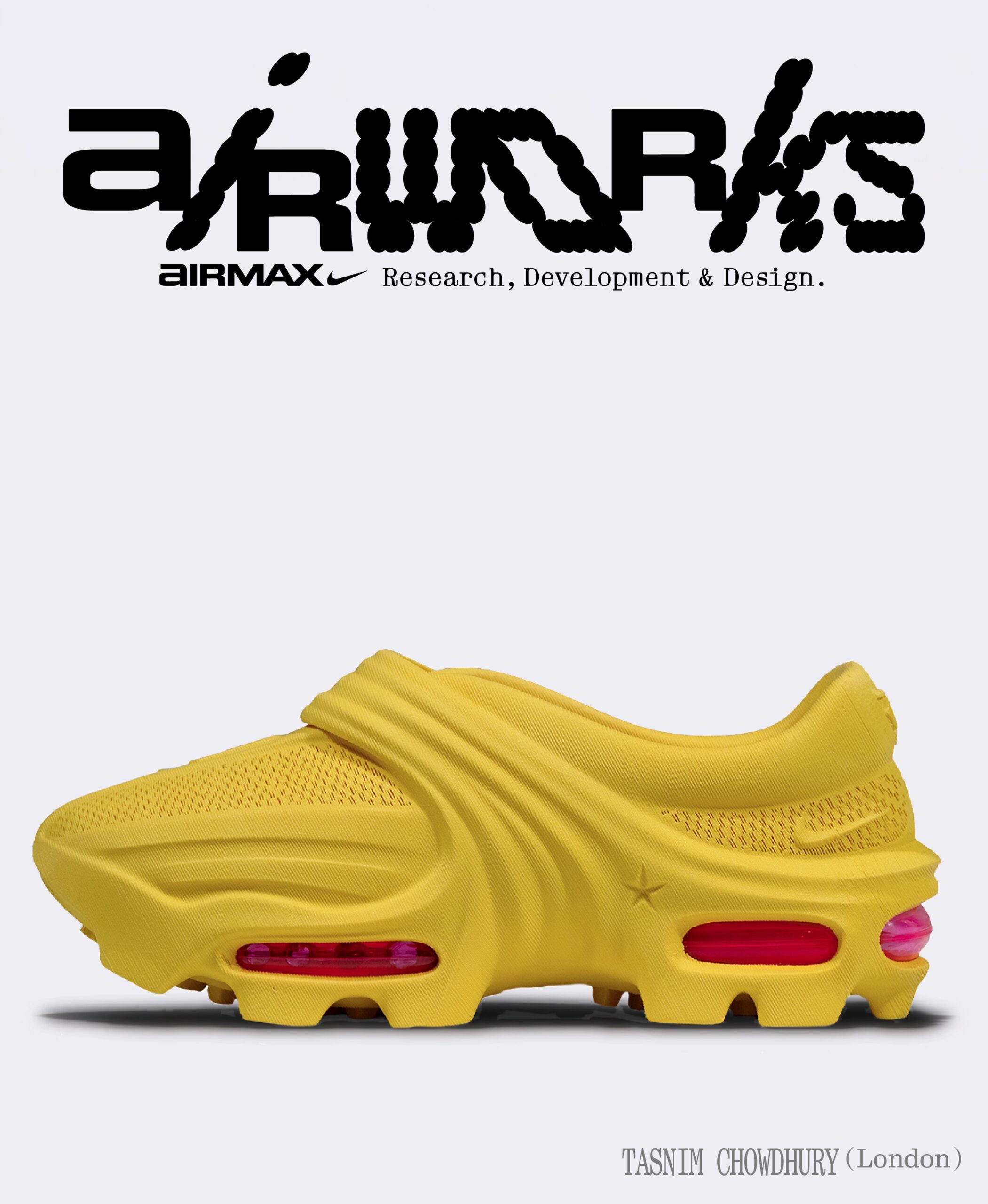
Air Works is the name Nike gave to a program it started last spring, when it invited a first class of designers from eight cities to the Philip H. Knight Campus in Beaverton. The brief was to study forty years of Air and come back with new expressions of Air Max built as 3D-printed footwear, working alongside Nike mentors and Zellerfeld. Eight designers, eight cities, eight silhouettes, revealed one at a time on a calendar Nike published up front: Motoi Hatsuki from Tokyo in July, Tasnim from London in August, Su in September, then Masyn from Los Angeles in October, Jose Wong from Shanghai in December, Yams from Paris in January, Omi from New York in February and Diya Joukani from Mumbai in March. A rolling reveal is an unusual way to run a design program, and it tells you Nike expects the cumulative picture to be more interesting than any single shoe. On the evidence of the first three, that is a fair bet, because the three do not look like variants of one idea.
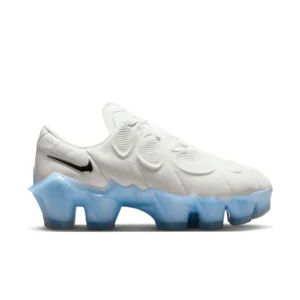
Su’s shoe is all white and reads as a backless build in the press photograph, with a low exposed heel wrap and an open throat where a lacing system would normally go. The forefoot is a woven textile panel carrying a small Swoosh, and a molded bumper runs around the toe. The midsole is the loud part. It stacks into a run of horizontal ridges that fan wider as they move toward the heel, more architectural than anything on a current Air Max, and it is the kind of geometry that is cheap to print and expensive to tool. Air shows up as two small green capsules set into the forefoot, which is a strange and specific choice next to the full-length windows Nike has spent a decade selling. Nike has not published a materials breakdown or named the shoe, so the description above is what the photograph supports and nothing further.
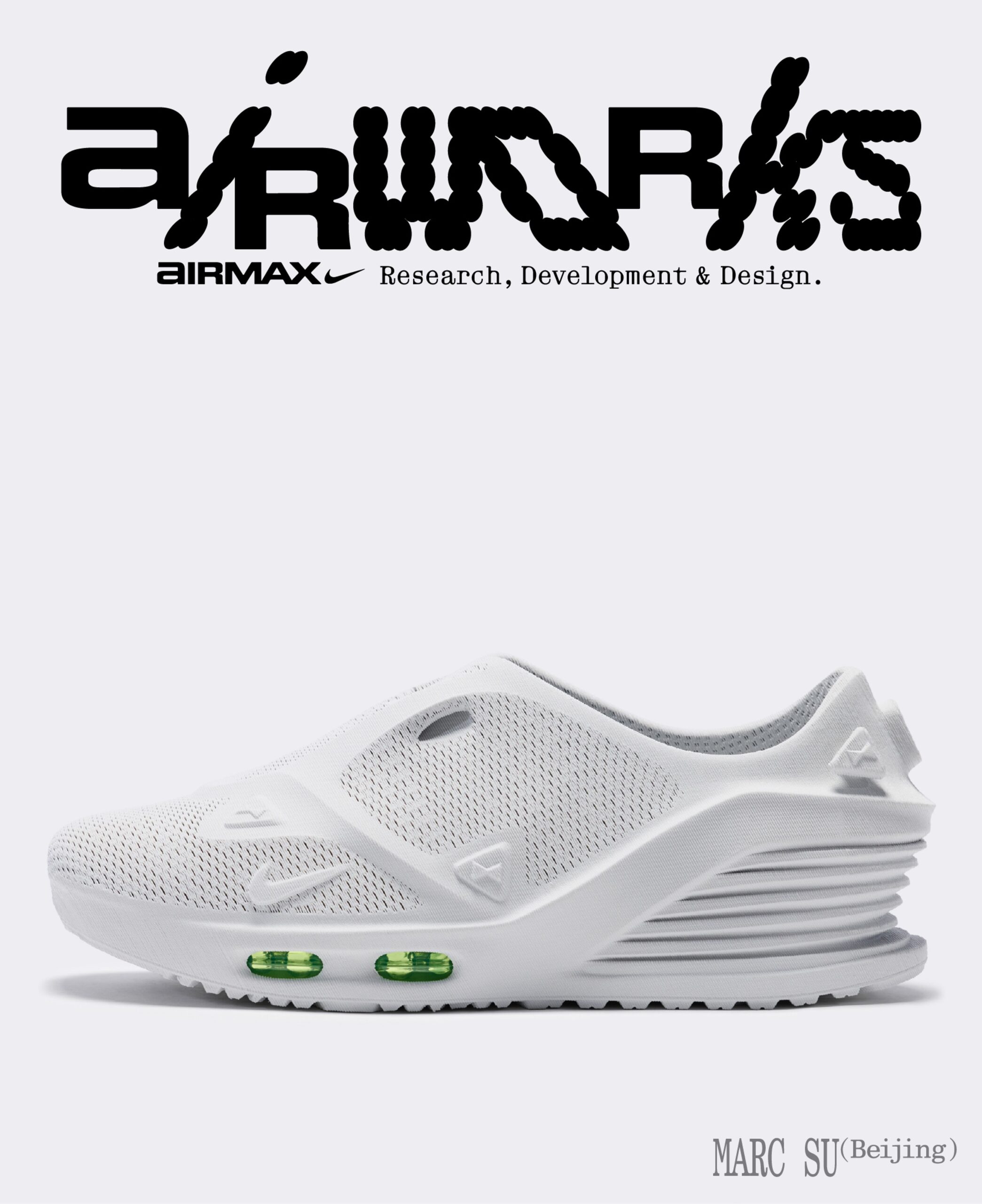
The read here is about Zellerfeld’s position more than Su’s. Nike already put a printed shoe into the market this year with the Air Max 1000, which Zellerfeld also produces, and Reebok went through the same partner for its 30th anniversary Question. Three brands, or two brands and a Nike sub-line, all routing their printed footwear through the same outside company is the story. Nike has an enormous manufacturing apparatus and it is not printing these in house, which says the economics or the expertise or both still sit somewhere else. Keeping Air Works at friends and family volume says the same thing from another angle. A brand that had solved printed Air Max at scale would be selling it, not revealing it once a month for nine months. The upside of the arrangement is that the constraint has produced better shapes than a retail brief would have allowed. Nobody tools a midsole like Su’s for a general release, because the mold cost only makes sense across hundreds of thousands of pairs, and the shape would be sanded down in review long before it got there. Printing removes the mold from the equation and with it the reason to compromise, which is why these three look less like Air Max updates and more like arguments about what Air Max could be. That is worth something even if none of them ever ship.
There is no price, because there is nothing to buy. For scale on what printed footwear costs when it does reach a shelf, the Air Max 1000 carried $180 and Reebok’s printed Question carried $169, both of which sit above their conventional equivalents rather than below them. That is the part worth remembering when printing gets described as a cost breakthrough. It has not been one yet, for anyone, and Nike declining to price these is consistent with that.
Marc Su’s Air Works silhouette has no release date, no style code and no retail price, and Nike describes the run as limited, friends and family only. The remaining reveals continue monthly into March 2027. Full details and the assets for all three shoes revealed so far are on the Nike newsroom.
-->