Nike introduced Apex on September 30, and it is the first racing shoe the brand has built around two double-stacked pairs of Air Zoom units. Four units in total, visible from the side, sitting under a platform that measures 40 millimeters at the heel and 40 millimeters at the forefoot. That second number is the one worth stopping on. Apex lands in January 2027, and it sits at the top of a racing line Nike has just reorganized into three clearly separated tiers.
Apex has no retro lineage to lean on. Nike built it as a new platform rather than the next number in an existing line, which makes the relevant history the category itself. The Vaporfly arrived in 2017 carrying a carbon plate and a foam nobody else had, and within a few years the plated racer was the entire road racing market. Nike then answered its own shoe with Alphafly, which put Air Zoom pods in the forefoot and became what elite marathoners actually laced up on race morning.
Alphafly 4 landed earlier this year with a new Air Zoom construction and sold out the day it arrived. Apex takes that construction and doubles it. What is genuinely new is the shelf Nike has built around it: Apex at the top for runners chasing a specific time, Alphafly 4 in the middle, and the new Swooshfly underneath as the way in. Nike’s racing line has needed that kind of order for years, because the names had long since stopped telling anyone what the shoes were actually for.
Start with the Air. Four Air Zoom units sit in two stacked pairs, and Nike says it is the most Air the company has ever put in the forefoot of a running shoe. The units are engineered to compress, store and return energy rather than simply absorb it, and Nike puts the number at up to 40 percent more energy return than Alphafly 3 in a men’s size 10, with the shoe weighing more than 10 percent less.
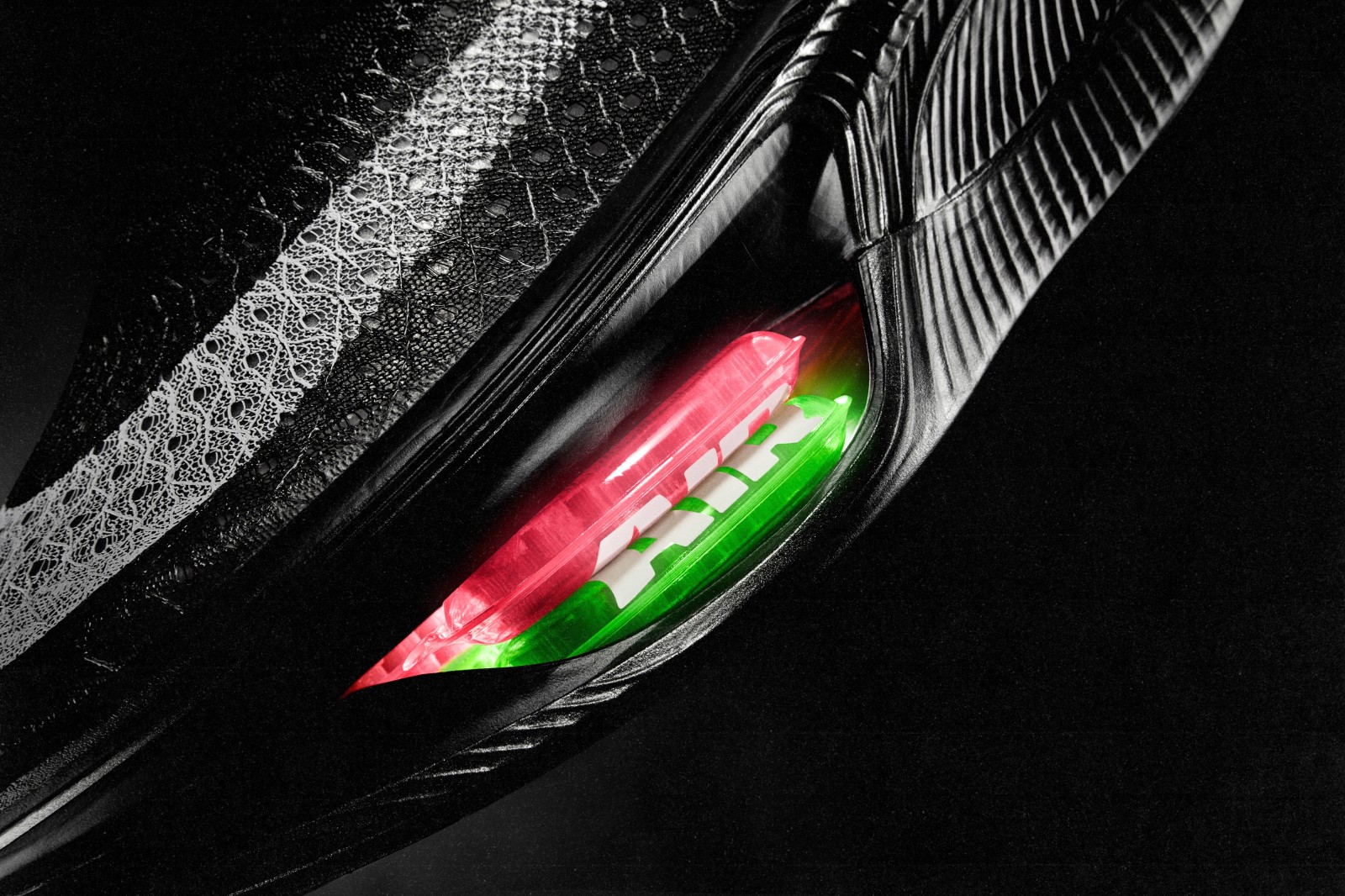
Everything else is tuned around that platform. ZoomX LT is a new race-specific foam Nike describes as softer and lighter than the ZoomX already in the line, and it forms the bed the Air units sit in. Above them, a raised inverse-wave carbon fiber Flyplate is shaped to drive load into the stacked pairs. The upper is Flyknit X with a fitted knit collar and no sock liner, so the fit is meant to disappear. Underfoot, GOATEK and Fast Shot rubber are placed only where the wear happens, and a wider outsole with rocker geometry keeps the stack from feeling tippy.
The zero-drop geometry is the decision worth arguing about. World Athletics caps road racing shoes at 40 millimeters of sole thickness, which means the heel on every super shoe in the field was already pressed against the ceiling. Nike’s answer is to raise the forefoot until it meets the heel. That flattens a ramp marathoners have been running on since the Vaporfly showed up, and it changes where the foot loads on every stride, which asks considerably more of a runner than a new foam does.
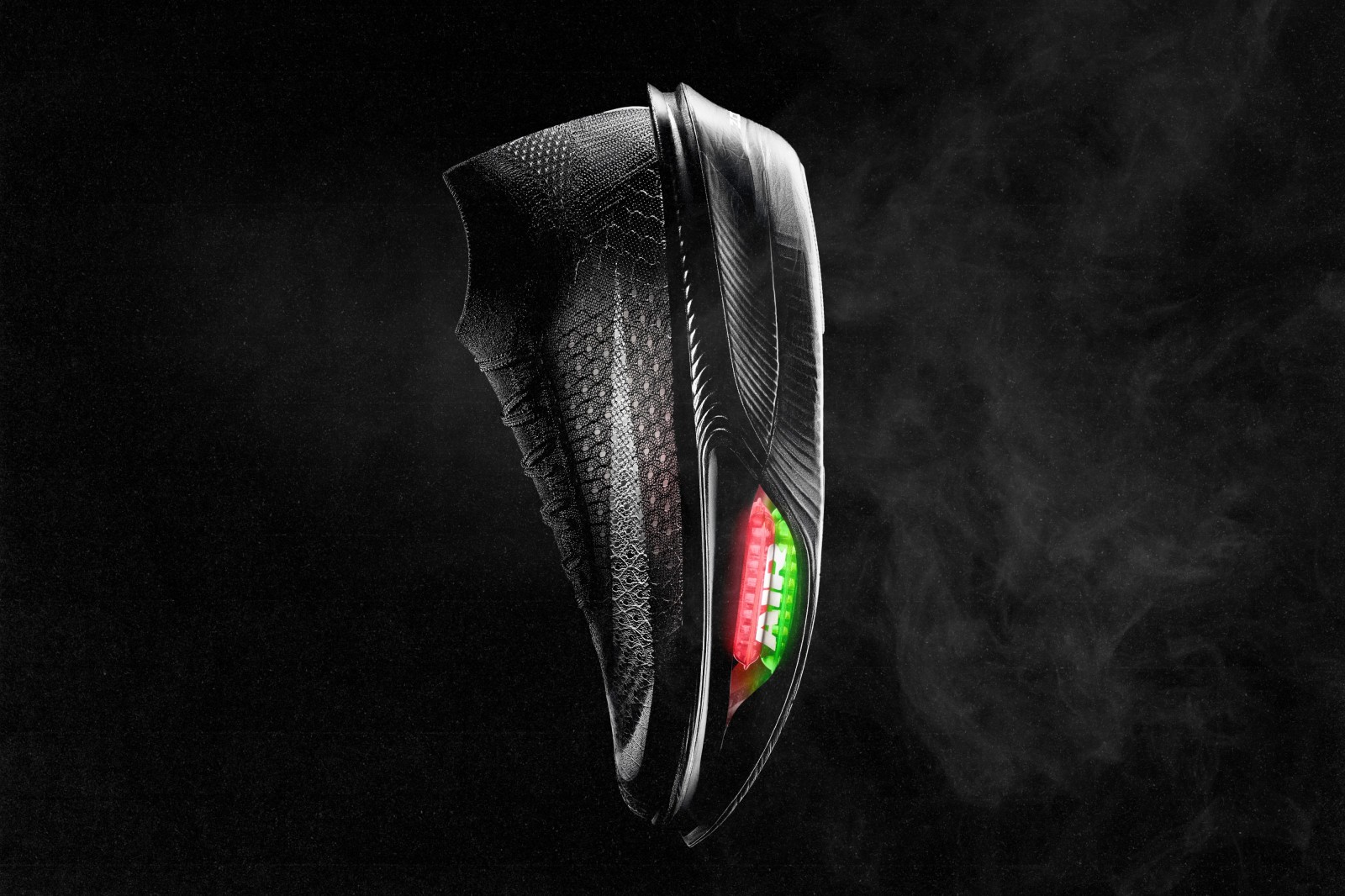
It also says something about where the arms race goes next. Height is finished as a lever, because there is none of it left to use. From here the gains have to come from what a brand can fit inside those 40 millimeters, and four Air Zoom units is a harder thing for a competitor to answer than a plate profile. adidas went the other direction with the Adizero Adios Pro 5, dropping Energyrods for a carbon rim. Same wall, two very different ideas about how to get over it.
Nike has not announced what Apex will cost. It sits above Alphafly 4, which lists at $280 on nike.com, and above Vaporfly 4 at $270, so the floor for a pinnacle racer is set close to three hundred dollars before Apex is given a number at all. Shoes in this class also behave unlike anything else in sneakers once they are out. They do not sit on shelves long enough to discount deeply, and they have almost no resale market, because the people buying them are wearing them down rather than holding them. A number above the Alphafly line would surprise nobody.
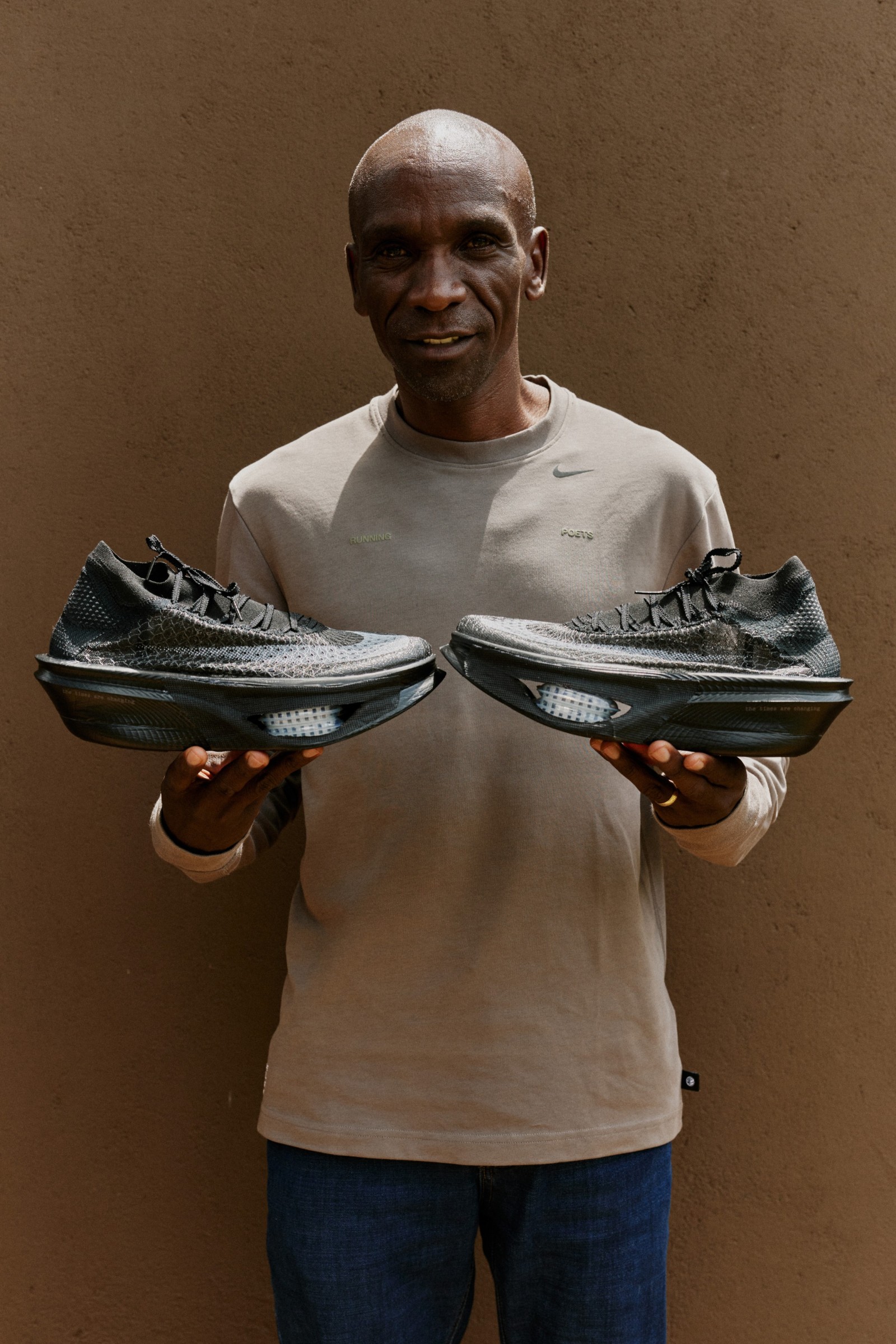
Nike Apex arrives in January 2027 at nike.com and select retail locations. There is no style code, no colorway name and no price attached to it yet, and the press images show a black upper over a red and green Air Zoom platform. Nike Swooshfly, the entry tier of the same system, reaches China in February 2027 before going global that spring. Alphafly 4 is the closest thing available now, and it carries the Air Zoom construction Apex builds on.
-->