Reebok has a carbon racer coming on October 20. The SpeedShifter is the first shoe the brand has put above its ZIG and FloatZig trainers in years, it carries a full-length carbon plate and a foam that appears nowhere else in the line. What it does not arrive with is a stack height, a weight or a heel-to-toe drop, because Reebok’s own product page publishes none of them. For a shoe aimed at people who check those three numbers before anything else, that is a strange place to begin.
Reebok’s current running catalog is four shoes deep and all four are variations on one platform. The FloatZig Tread, FloatZig 2, FloatZig Encore and FloatZig Double run SuperFloat, SuperFloat+ or Zig geometry foam, and the brand’s own copy for them talks about springy, cushioned, stable daily miles. None of the four names a plate. The FloatZig 2’s page does say carbon, but it is describing a carbon rubber outsole, which is a wear surface rather than a propulsion element, and confusing the two is the easiest mistake available on a Reebok spec line. The brand’s history in racing is older than any of that. Reebok built its name in the 1980s on the Energy Return System, an early attempt to sell runners on a midsole that gave something back, and its last widely reviewed racer was the Floatride Run Fast Pro, a 2018 release that outlets at the time called the lightest racer the company had made. The Floatride Energy X followed in 2022, and reviewers who ran in it describe a carbon plate under the forefoot only. So this is not Reebok’s first carbon plate. It is the first one that runs the length of the shoe.
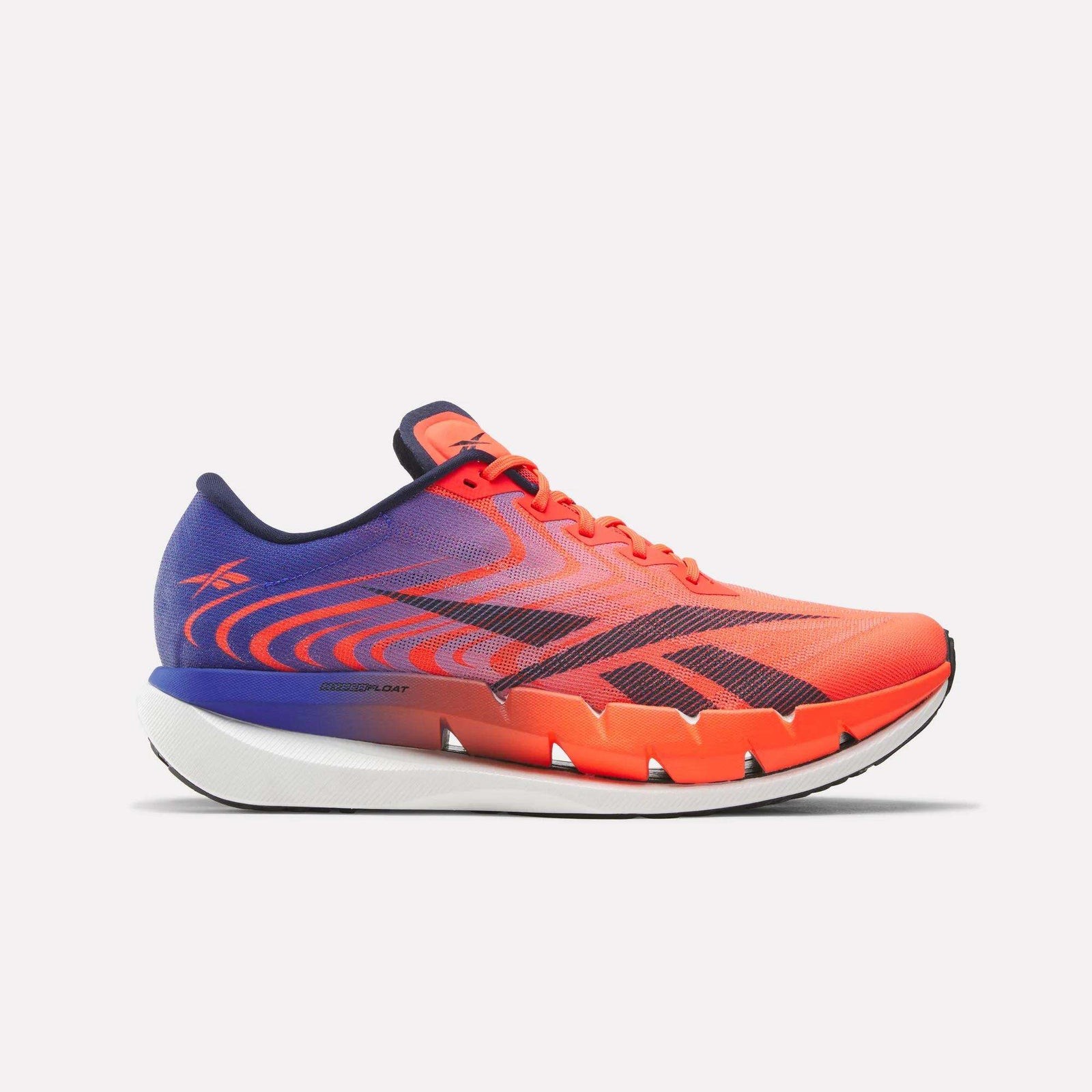
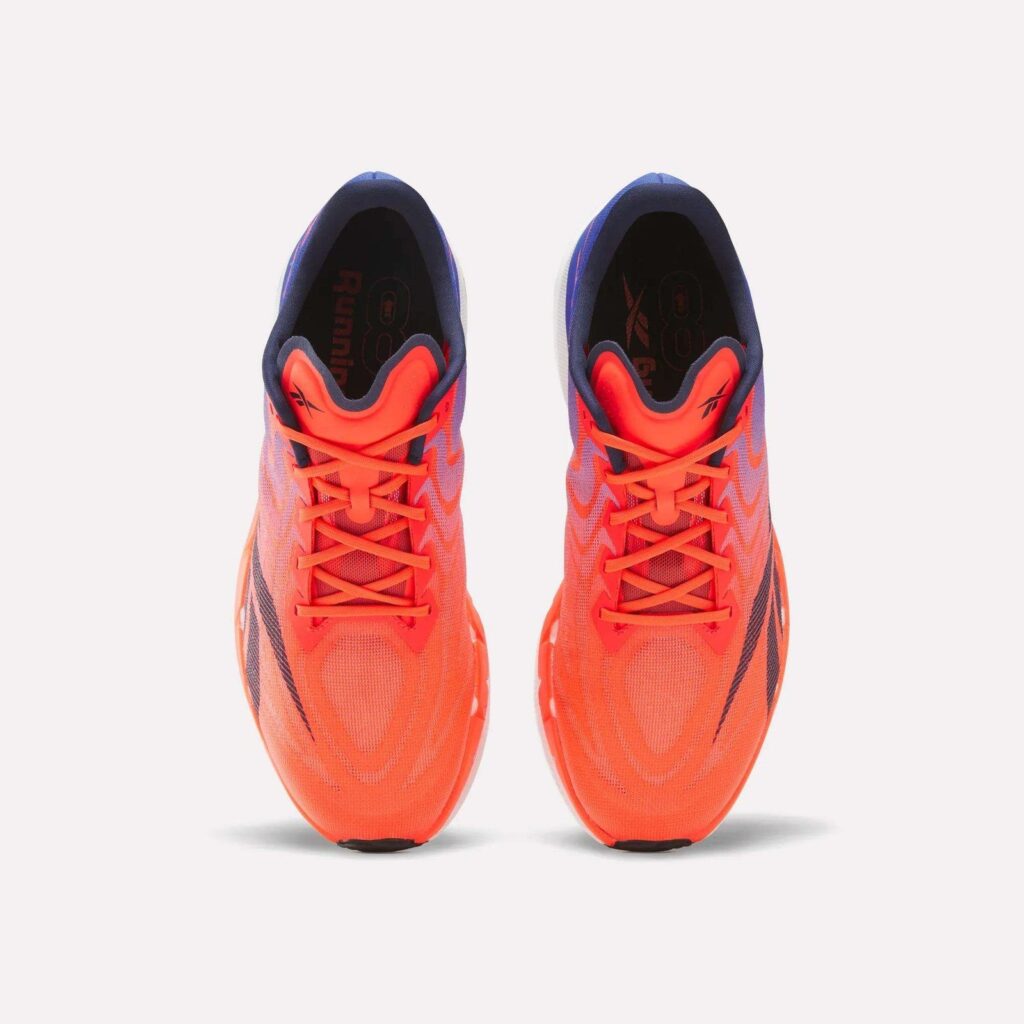
The plate sits between two layers of foam rather than on top of one. Reebok’s page describes it as a full length plate that allows for explosive propulsions, and that is the entire published description of the most important component in the shoe. The foam is HyperFloat, and the launch coverage reproducing Reebok’s release calls it a new ATPU compound arranged as a dual density midsole. The upper is FlexLock, which Reebok describes as a breathable, minimalist construction. The outsole is three pieces of rubber. That same launch coverage puts the shoe at 7.4 ounces with an 8mm drop, gives the plate a name of its own, AccelerPlate, and carries a line from Reebok product director Chris Stone about athletes feeling their fastest. Not one of those details appears on either colorway’s product page. A runner deciding between this and anything else in the category has a plate, a foam name and a photograph to work with. The launch pair is listed as Red, White and Blue, though the photographs show a sublimated gradient running violet at the heel into coral at the toe over a cream midsole. A White and Black version arrives alongside it, both in unisex sizing.
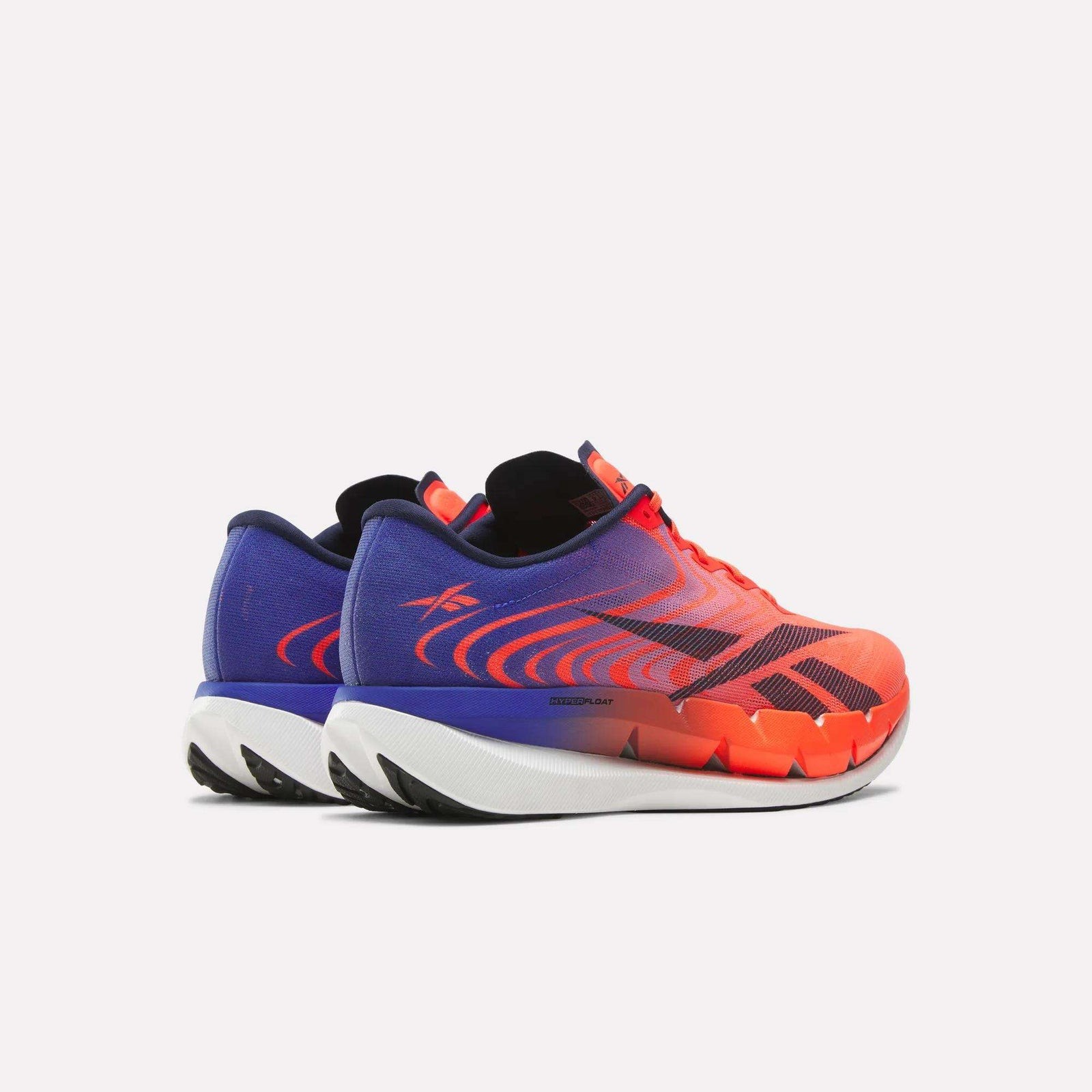
The missing numbers matter more here than they would on a trainer. Plated racing shoes are bought on comparison, and the comparison is stack against the limit the sport now polices, weight against whatever the buyer already races in, and drop against what their legs tolerate. Saucony publishes all three on the Endorphin Elite 3’s product page, down to the tenth of an ounce and the half millimeter, because the category trained its customers to look for them. Reebok is entering that conversation with a photograph and an adjective. The charitable reading is that the assets are staged and a spec block lands closer to the release. The less charitable one is that the brand has been out of performance running long enough to have forgotten what its buyer checks first. The listing went up in mid-September and is still carrying an empty spec sheet three weeks later, which is the part that is hard to account for.
Retail is $220, and that is the highest price Reebok has attached to a running shoe in its current catalog by a distance. The FloatZig Double is next at $140 and the rest of the line sits between $110 and $130. Against the category it is entering, though, $220 undercuts most of the field. The Saucony Endorphin Elite 3 is $290 and the Endorphin Pro 5 is $240. Reebok has priced the SpeedShifter below the shoes it is asking runners to compare it against, which is the one argument on the page that does not need a spec sheet to land.
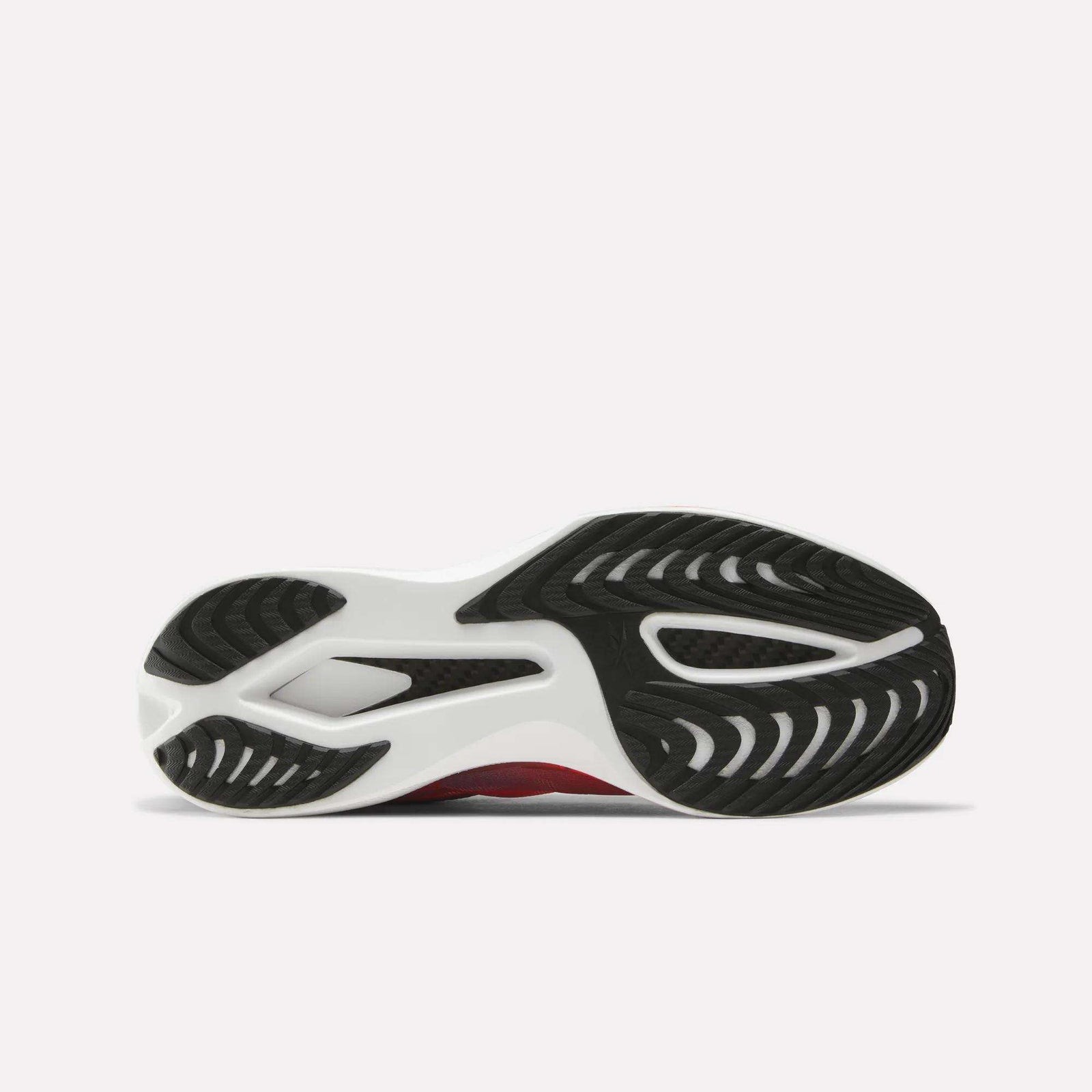
The SpeedShifter goes up on October 20 at 10:00 a.m. Eastern at Reebok.com in Red, White and Blue, style code 100256225, and in White and Black, style code 100263924. Retail on both is $220 and both run unisex sizing. Reebok’s own listings are the only confirmed stockist at this point, with no retailer list attached to either colorway. The October 20 date comes from a badge on the product page rather than from a press release, which is the same way the Engine A 26 surfaced with its own date.
Where To Buy
Affiliate links open each retailer’s live search, so they always resolve. We may earn a commission.
Find This Pair
- eBaySizes Available
Live retailer stock, refreshed hourly. Stock and prices change fast. Some links are affiliate links and we may earn a commission.